Sony: Gamers know digital games not owned
Sony argues in a court filing that reasonable consumers know they license, not own, digital games, responding to a class action lawsuit.
Sony Interactive Entertainment has argued that reasonable consumers already understand they do not own the digital games they purchase. The claim was made in a legal filing on August 21 in response to a class action lawsuit.
Four customers filed the lawsuit against Sony in July, alleging the PlayStation Store's disclosures do not adequately comply with a 2025 California law. This law requires companies to clearly inform customers that paying for a digital product does not guarantee permanent access. The plaintiffs argue Sony is not being obvious enough about the distinction between purchasing a license and owning a product.
The Core Legal Argument
Sony's legal team stated that most reasonable consumers would not be misled by the company's current disclosures. The console maker's filing goes further, suggesting that anyone who buys digital content inherently knows they are not acquiring true ownership. The argument uses a hypothetical example involving the game Resident Evil Requiem.
"This makes sense," the filing stated. "In the digital age, it is not plausible to allege that reasonable consumers believed they were obtaining 'ownership' of a digital game." It argued that if true ownership were granted, one customer's purchase would prevent another from buying the same title, as the first customer would own it instead of Sony.
The Lawsuit's Background
The class action lawsuit centers on the clarity of information provided to consumers. When buying a digital game on the PlayStation Store, the storefront links to Sony's Terms of Service and Software Product Licensing Agreement. The clause stating that "virtual content is licensed, not owned" is located several hundred words into these documents.
The claimants feel this placement is insufficient to meet the requirements of the California law, which mandates loud and clear communication. They contend that the critical information is buried in lengthy legal text.
Broader Industry Context
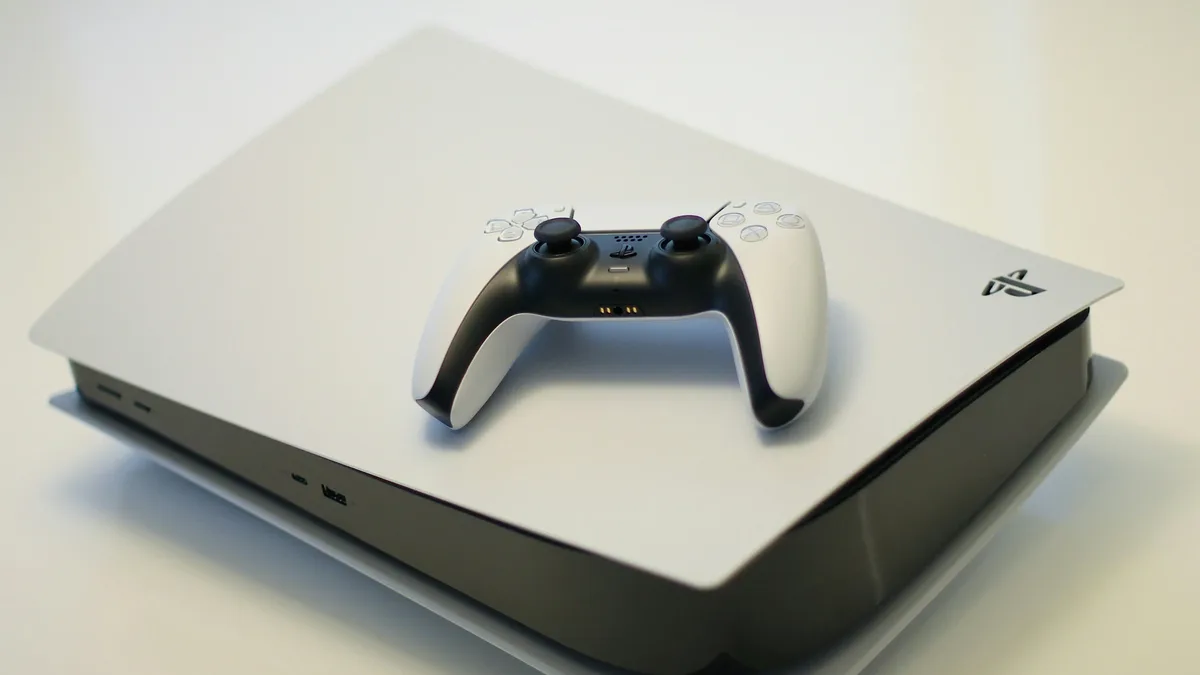
The legal dispute occurs against a backdrop of significant change for PlayStation. Earlier this summer, Sony announced plans to stop manufacturing physical discs for new PlayStation games by January 2028. The move toward an all-digital future has been controversial among parts of the gaming community.
The current lawsuit highlights the ongoing tension between consumer expectations and the licensing models that underpin digital storefronts. Sony's defense rests on the assumption that modern consumers are savvy to these models. The company's lawyers framed their argument around the practical realities of digital distribution.
How the court will interpret what constitutes a "reasonable consumer" and adequate disclosure remains to be seen. The case continues.